USA Mountain Systems: Appalachian, Rocky, Sierra Nevada, and Cascade Ranges
An extensive guide to the major mountain systems of the United States, detailing their geological formation, ecological significance, and impact on human settlement.
Learning Objectives by Grade Level
- Middle School (6-8): Locate the four major mountain ranges on a USA geography map and describe their basic physical differences.
- High School (9-12): Understand the tectonic processes (orogeny) that formed these distinct mountain systems and how they influence regional climates.
- College/Adult Learners: Analyze the economic resources, environmental challenges, and historical barriers presented by these massive geological formations.
Introduction to America's Peaks
Mountain ranges are the skeletal structure of United States geography. They dictate the flow of rivers, the patterns of the weather, and historically, the movement of people. For geography teaching, comparing the ancient, rolling Appalachians in the East to the young, jagged Rockies in the West provides a perfect lesson in geological time and erosion. This guide offers essential geography facts for students looking to master the physical landscape of the US.
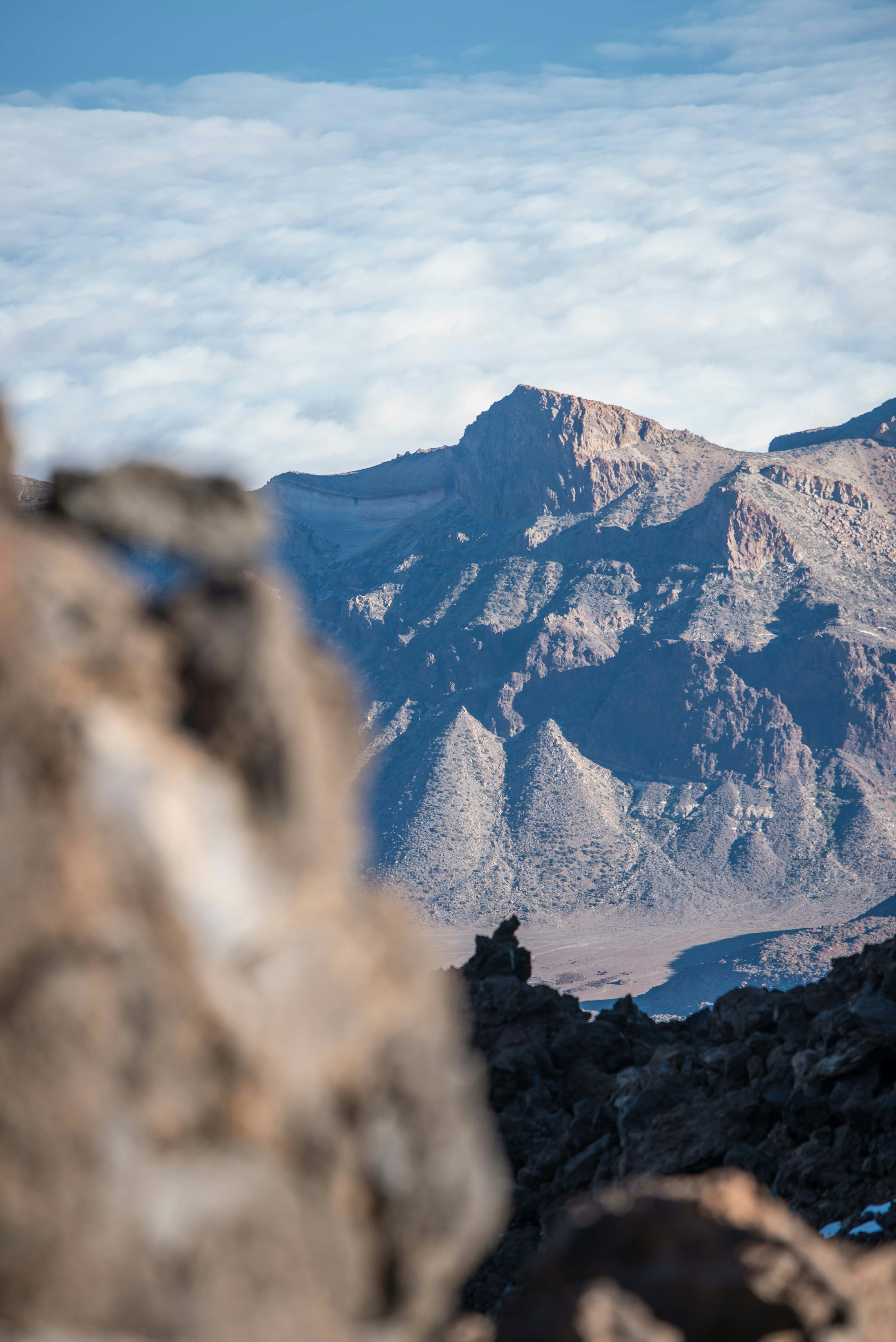
The Appalachian Mountains: Ancient Giants
The Appalachian Mountains stretch from Newfoundland in Canada down to central Alabama. Formed roughly 480 million years ago, they were once as tall as the modern Himalayas. However, hundreds of millions of years of weathering and erosion have worn them down into the rolling, heavily forested ridges we see today. The highest peak is Mount Mitchell in North Carolina, at 6,684 feet.
Economically, the Appalachians are famous for their vast coal deposits, which fueled the American Industrial Revolution. Culturally, the isolation of the mountain valleys led to distinct regional cultures and music. In our geography courses, we explore how the Appalachians acted as a significant barrier to early westward expansion.
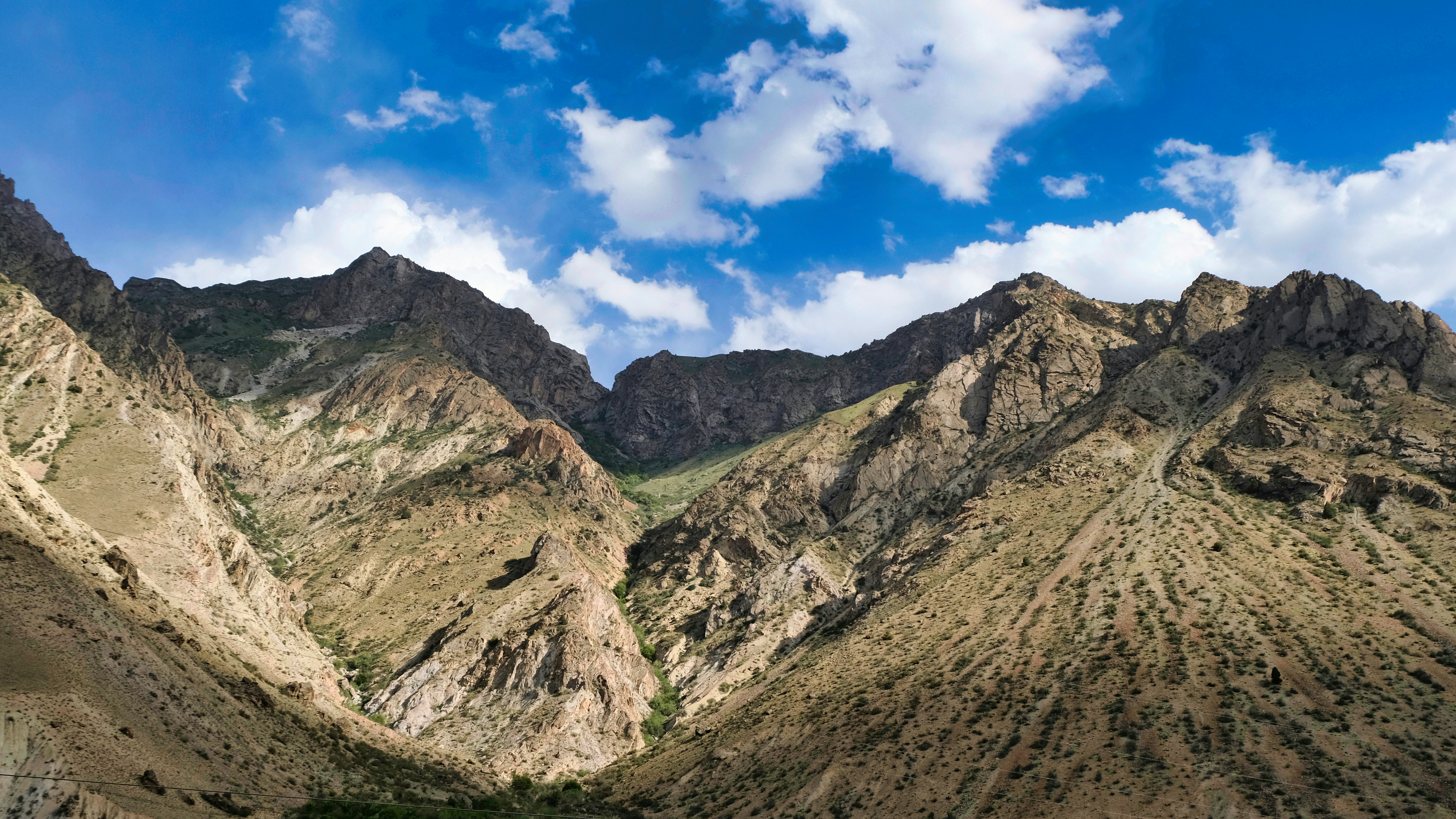
The Rocky Mountains: The Continental Backbone
The Rocky Mountains are a massive cordillera stretching over 3,000 miles from British Columbia to New Mexico. Formed during the Laramide orogeny (55-80 million years ago), they are much younger than the Appalachians, which accounts for their sharp, jagged peaks. The highest point is Mount Elbert in Colorado at 14,440 feet.
The Rockies are crucial to American geography because they form the Continental Divide, separating the watersheds that drain into the Pacific Ocean from those that drain into the Atlantic. They also hold immense mineral wealth, including gold, silver, and copper, which drove the western mining booms of the 19th century.
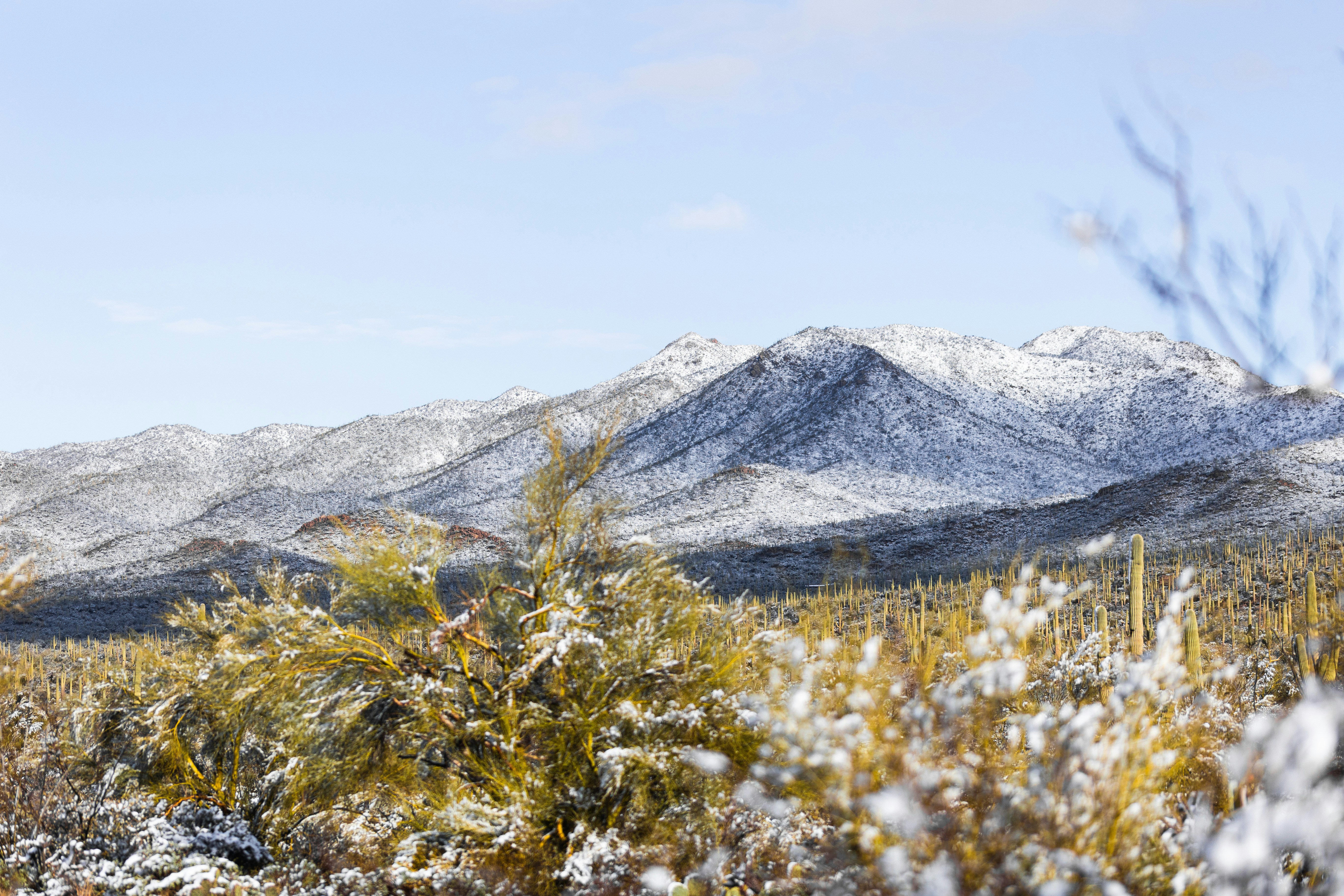
The Sierra Nevada: The Snowy Range
Located almost entirely within California, the Sierra Nevada range is a massive fault-block mountain range. It features spectacular granite domes, deep glacier-carved valleys (like Yosemite), and the highest peak in the contiguous US, Mount Whitney (14,505 feet).
The Sierra Nevada plays a critical role in California's water supply. The winter snowpack acts as a natural reservoir, slowly melting in the spring and summer to feed the agricultural powerhouse of the Central Valley. The range also creates a massive rain shadow, resulting in the arid deserts of Nevada to the east.
The Cascade Range: Volcanic Fire and Ice
Stretching from British Columbia down through Washington, Oregon, and Northern California, the Cascade Range is part of the Pacific Ring of Fire. Unlike the other ranges, the Cascades are primarily volcanic in origin. Famous peaks include Mount Rainier, Mount Hood, and Mount St. Helens.
The eruption of Mount St. Helens in 1980 is a prime example of the active geology of this region. The western slopes of the Cascades receive massive amounts of precipitation, supporting dense temperate rainforests, while the eastern slopes are much drier.
Mountain Range Comparison
| Mountain Range | Highest Peak | Elevation | Primary Geological Origin |
|---|---|---|---|
| Appalachian | Mount Mitchell | 6,684 ft | Continental Collision (Ancient) |
| Rocky Mountains | Mount Elbert | 14,440 ft | Laramide Orogeny (Uplift) |
| Sierra Nevada | Mount Whitney | 14,505 ft | Fault-block (Granite intrusion) |
| Cascade Range | Mount Rainier | 14,411 ft | Volcanic Activity |
Discussion Questions for the Classroom
- Why are the Appalachian Mountains so much shorter and rounder than the Rocky Mountains?
- How does the Sierra Nevada snowpack impact the economy of California?
- What makes the Cascade Range geologically distinct from the other major US mountain ranges?
- Discuss the historical significance of the Appalachian Mountains as a barrier to early American settlement.
Glossary of Terms
- Orogeny: A process in which a section of the earth's crust is folded and deformed by lateral compression to form a mountain range.
- Fault-block Mountain: Mountains formed by the movement of large crustal blocks when forces in the Earth's crust pull it apart.
- Cordillera: A system or group of parallel mountain ranges together with the intervening plateaus and other features.
Frequently Asked Questions (FAQ)
What is the longest mountain range in the US?
The Rocky Mountains are the longest, stretching over 3,000 miles from Canada to New Mexico.
Are there active volcanoes in the US?
Yes, primarily in the Cascade Range (like Mount St. Helens and Mount Rainier), as well as in Alaska and Hawaii.
What is the highest mountain in the US?
Denali in Alaska is the highest at 20,310 feet. In the contiguous 48 states, Mount Whitney in the Sierra Nevada is the highest at 14,505 feet.